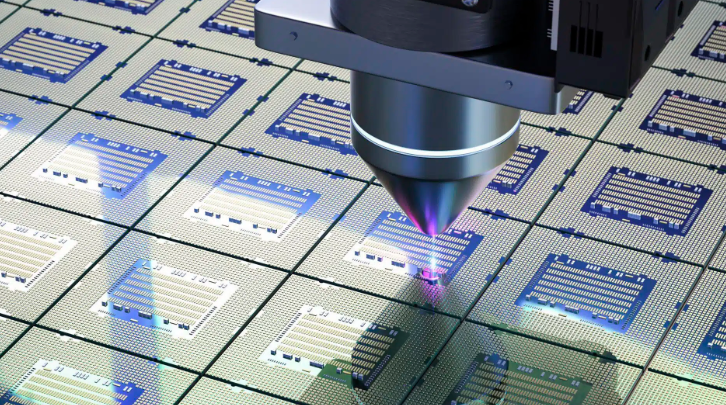
In the current climate of increased environmental awareness, sustainable packaging has become an essential aspect of corporate responsibility and product design innovation. High Tech Quality Manufacturing is at the forefront of this transformation, integrating advanced laser marking technology into its packaging processes to deliver solutions that are durable, waste-reducing, and environmentally sustainable.
Understanding Laser Marking and Its Role in Sustainability
Laser marking is an advanced technique that utilizes focused laser beams to engrave or etch information directly onto the surfaces of various materials. Unlike traditional labeling methods that depend on inks, stickers, or adhesives, laser marking eliminates the need for additional materials that contribute to waste. This method produces a clean, permanent mark that remains legible and precise throughout the product’s lifecycle.
In addition to its sustainability advantages, laser marking offers remarkable versatility. It can be applied to a wide range of materials, including metal, glass, plastic, and wood, making it adaptable across multiple industries. This combination of flexibility and reduced material consumption positions laser marking as a cornerstone technology in the pursuit of sustainable manufacturing.


Reducing Waste and Enhancing Efficiency
A significant benefit of laser marking in sustainable packaging is its ability to substantially reduce waste. Traditional packaging often relies on separate components—such as paper labels, ink cartridges, and adhesives—that not only generate excess waste but also complicate the recycling process. In contrast, laser marking integrates all necessary branding and product information directly onto the packaging, eliminating unnecessary materials and streamlining production processes while minimizing environmental impact. The durability of laser markings ensures long-lasting clarity and visibility, thereby enhancing brand recognition and promoting an eco-conscious image.
Supporting Recyclability and a Circular Economy
Laser marking technology also improves the recyclability of packaging materials. Since the markings do not introduce foreign substances like ink or glue, they help maintain the purity of recyclable materials such as cardboard, glass, and select plastics. This attribute enhances the efficiency of sorting and recycling processes, aligning with the principles of a circular economy.
Moreover, permanent laser markings bolster product traceability during recycling, ensuring that materials are accurately categorized and reused whenever possible. This approach contributes to reduced overall resource consumption while supporting corporate sustainability objectives.
Advancing Customization and Brand Communication
Sustainability and branding can effectively coexist. Laser marking allows companies to personalize packaging designs with intricate, high-precision details that reflect their identity and values. High Tech Quality Manufacturing harnesses this capability to assist businesses in conveying their narratives through unique and sustainable designs.
Customized laser-marked packaging can create emotional connections with consumers who prioritize environmental responsibility, thereby reinforcing brand loyalty and trust. This synergy of creativity and sustainability provides a significant competitive advantage in today’s market.
See also: Brush Clearing Techniques for Efficient Land Management
The Future of Sustainable Packaging
As sustainability increasingly influences consumer purchasing decisions, the integration of laser marking into packaging design represents a significant advancement. This technology enhances not only environmental performance but also functionality, aesthetics, and long-term value.
High Tech Quality Manufacturing is dedicated to advancing these innovations, supporting businesses in adopting eco-friendly practices that meet both environmental standards and consumer expectations. Laser marking transcends being a mere production technique; it serves as a catalyst for sustainable progress. By minimizing waste, enhancing recyclability, and facilitating brand expression, it redefines the possibilities of modern, responsible packaging.